
Understanding Money Transfers: A Comprehensive Guide
Money transfers are an essential aspect of our modern economy, facilitating transactions both domestically and internationally. Whether you’re sending money to family, paying for goods, or managing business transactions overseas, understanding the various money transfer options is crucial. This guide explores the different methods of money transfer, their advantages and disadvantages, and important factors to consider to ensure secure and efficient transactions. For specific insights, check out this informative information on money transfers to Iran https://woodbridgebrewingco.com/pgs/money-transfers-to-iran-risks-and-permitted-channels.html that discusses money transfers to Iran, including associated risks and permitted channels.
Types of Money Transfer Methods
Money transfers can be categorized into several key methods, each tailored for different needs and circumstances. Below, we outline the most common types:
Bank Transfers
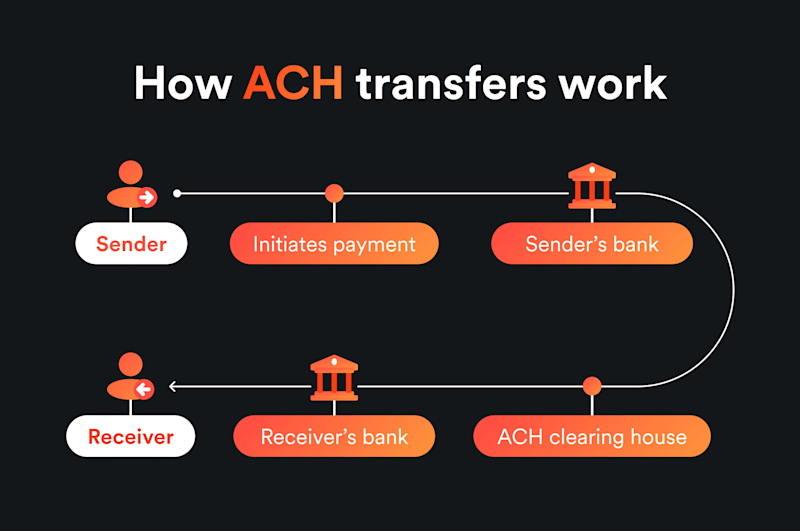
Bank transfers are one of the most traditional and secure methods of sending money. These transfers occur between bank accounts and can be initiated online, via mobile apps, or in person at a bank branch.
**Advantages:**
- High security and protection against fraud.
- Direct deposits and payments.
- Suitable for large amounts.
**Disadvantages:**
- Can be slow (especially international transfers).
- Potentially high fees.
- Requires both sender and recipient to have bank accounts.
Online Money Transfer Services
Platforms such as PayPal, Venmo, and TransferWise have gained popularity for their convenience. They allow users to send and receive money using their smartphones or computers. These services are often faster than traditional bank transfers and can be used for both domestic and international transactions.
**Advantages:**
- Fast transactions, often instantaneous.
- User-friendly interfaces.
- Lower fees for smaller amounts.
**Disadvantages:**
- May not provide the same level of fraud protection as banks.
- Fees can arise from currency conversion.
- Transfer limits may apply.
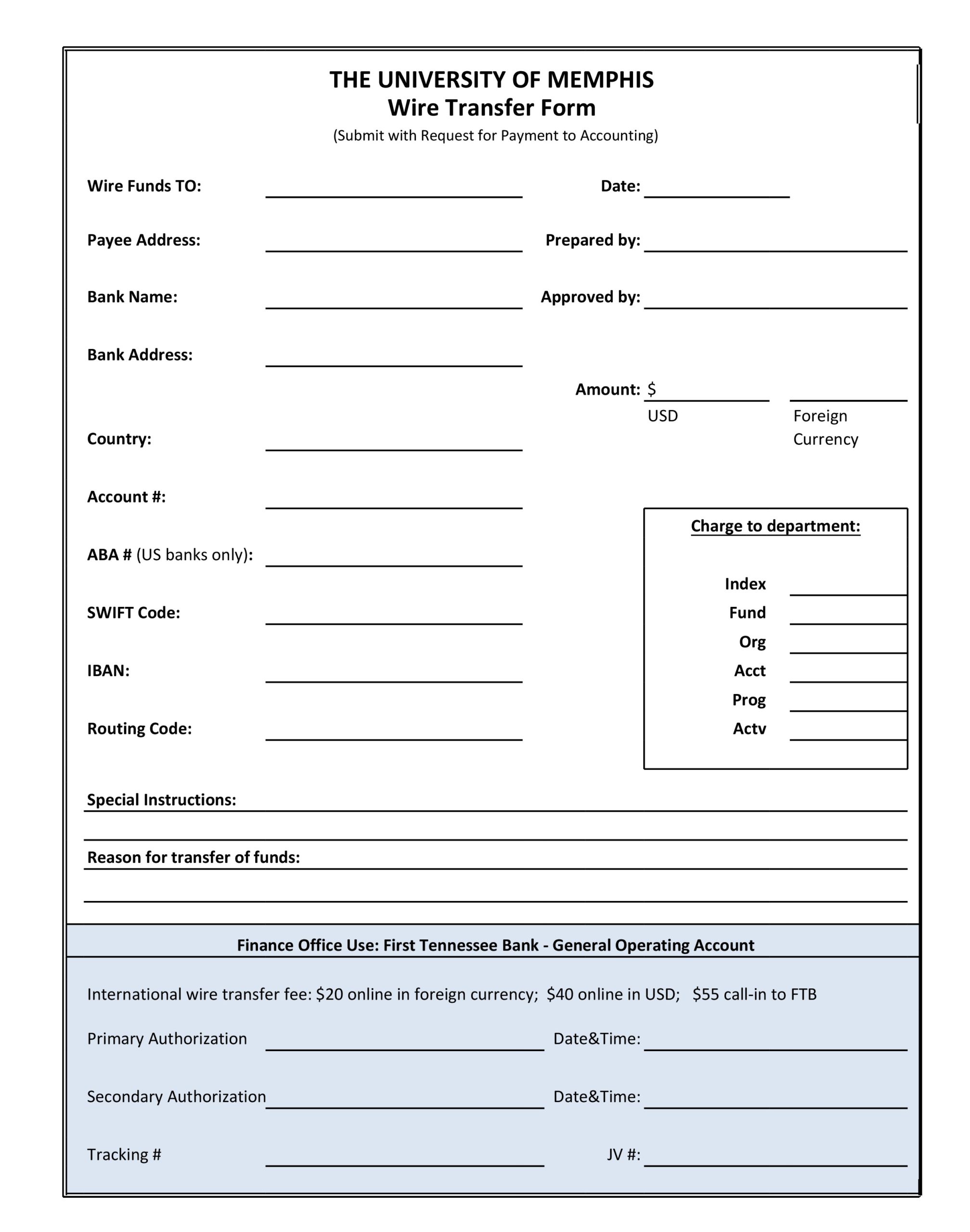
Wire Transfers
Wire transfers are typically used for sending larger sums of money quickly. They can be used internationally, but fees can add up. Banks and money transfer services like Western Union offer wire transfer capabilities.
**Advantages:**
- Speedy delivery of funds.
- Secure and reliable, especially for large transactions.
**Disadvantages:**
- High fees compared to other methods.
- Receivers may be required to present identification.
Cryptocurrency Transfers
With the rise of digital currencies like Bitcoin and Ethereum, cryptocurrency transfers have emerged as an alternative option for money transfers. These can facilitate quick and low-cost transactions across borders.
**Advantages:**
- Decentralization offers greater control over funds.
- Lower transaction fees in some cases.
- No need for conventional banking systems.
**Disadvantages:**
- Can be volatile; values can fluctuate significantly.
- Regulatory issues and lack of consumer protection.
- Not widely accepted by all merchants.
Factors to Consider When Choosing a Money Transfer Method
Selecting the right money transfer method depends on several factors:
Speed of Transfer
If you need the money sent immediately, consider options like online money transfer services or cryptocurrency. For larger sums, wire transfers offer quick delivery but may come with higher fees. Bank transfers could take several days, especially for international transactions.
Cost of Transfer
Different methods have varying costs associated with them. Always compare fees for the amount you intend to send. Some services offer competitive rates for low amounts, while others are more cost-effective for larger sums.

Convenience
Depending on your location and access to technology, some methods may be more convenient than others. Online services or apps might be a good fit for users comfortable with digital transactions, while bank transfers might be preferable for those less tech-savvy.
Security
Security is crucial in financial transactions. Generally, bank transfers offer the highest level of security, while online services might vary. Always ensure that the service you choose has security measures in place to protect your money and personal information.
Conclusion
Understanding money transfer methods and their respective pros and cons is essential for making informed decisions. Whether you choose bank transfers, online services, wire transfers, or cryptocurrencies, always consider the speed, cost, convenience, and security of each option. By doing so, you can ensure that your financial transactions are both efficient and secure.
With the right information and tools, navigating the world of money transfers doesn’t have to be daunting. Stay informed and choose wisely!
